
Creative Lighting Solutions for Office Spaces
Creativity is key when designing lighting for office receptions, breakout areas and general working environments. Moth Lighting introduces fresh and distinctive lighting solutions that enhance interior design while creating welcoming and functional spaces.
Our first priority is energy efficiency and compliance, with designs typically targeting 105 lm/W performance or greater. Intelligent lighting strategies include daylight sensors and daylight harvesting. These strategies, along with seasonal or zone-based switching, ensure lighting is only used where and when it is needed.
Moth Lighting designs integrate seamlessly with new or existing control systems, delivering efficiency and ease of use. Architectural and interior-detail lighting—built into ceilings, walls, and other structural features—enhances the space and leaves a lasting impression on clients and visitors.

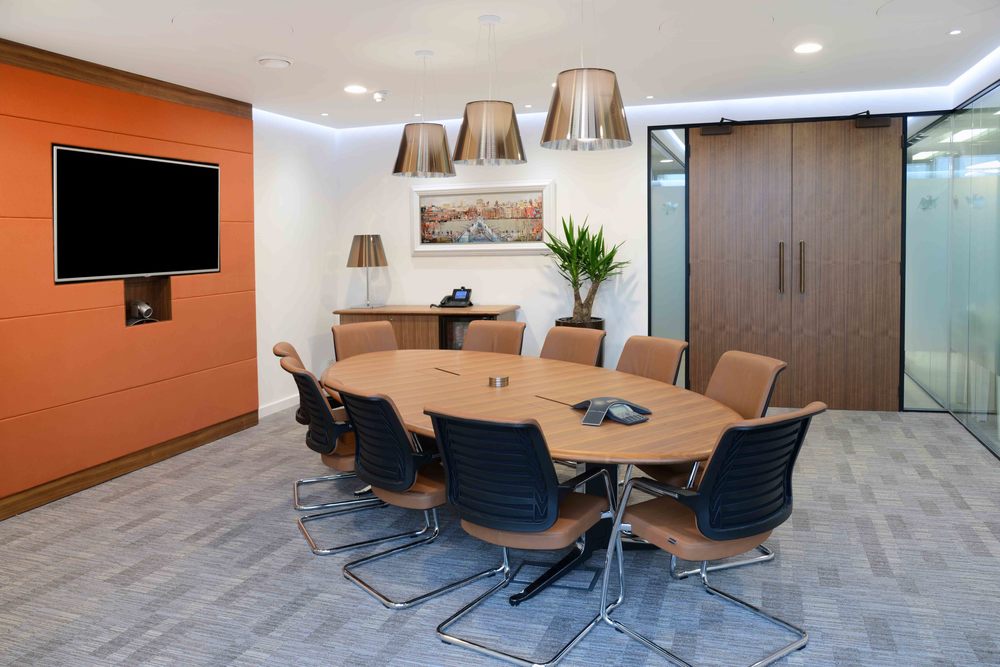

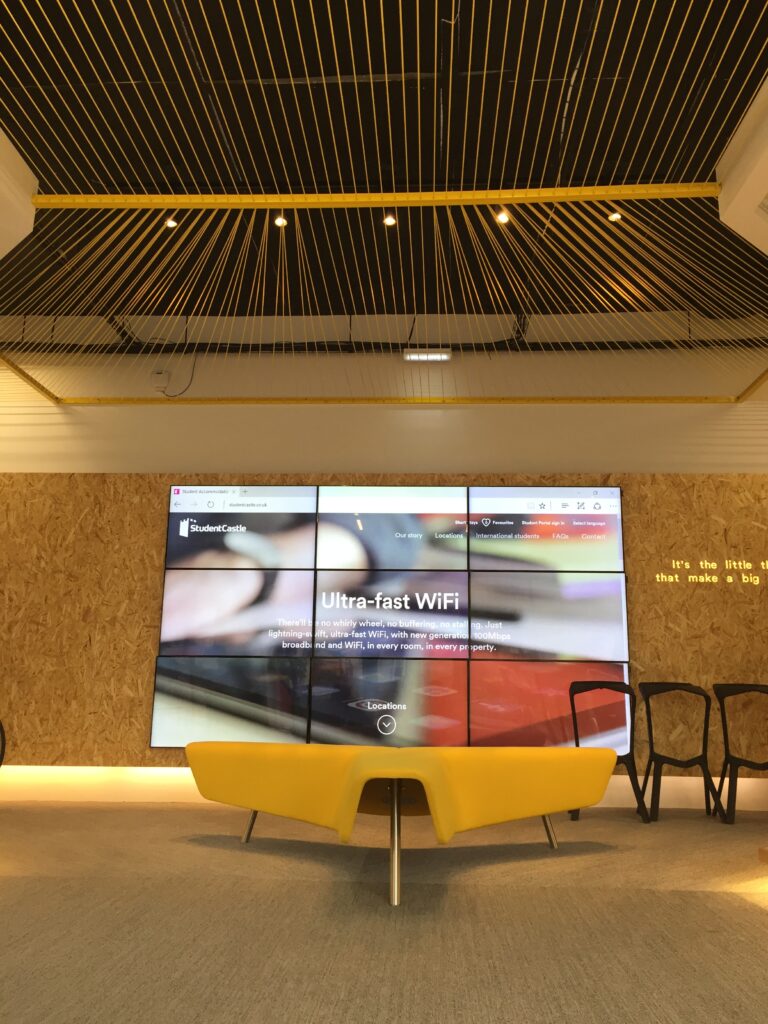
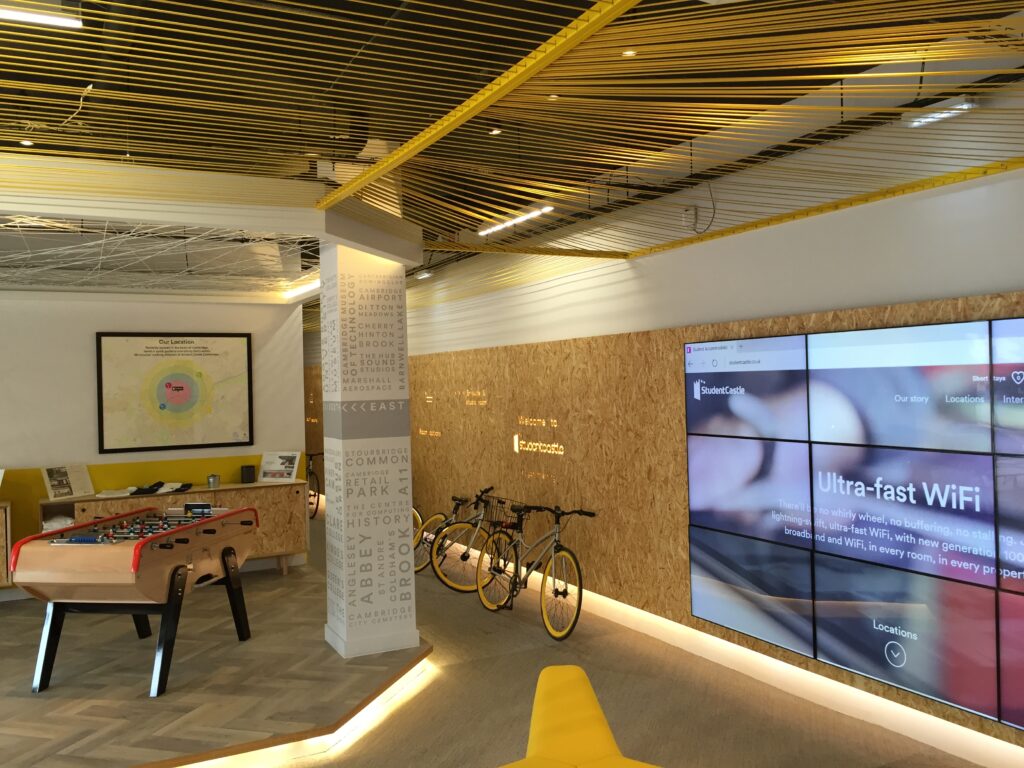
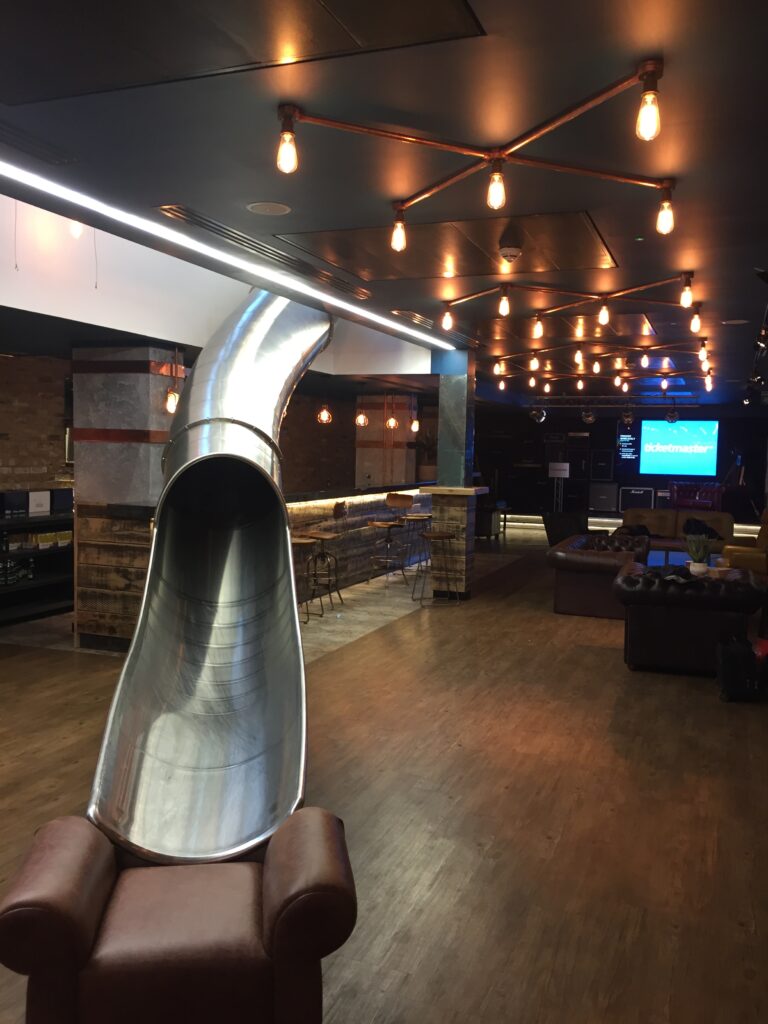
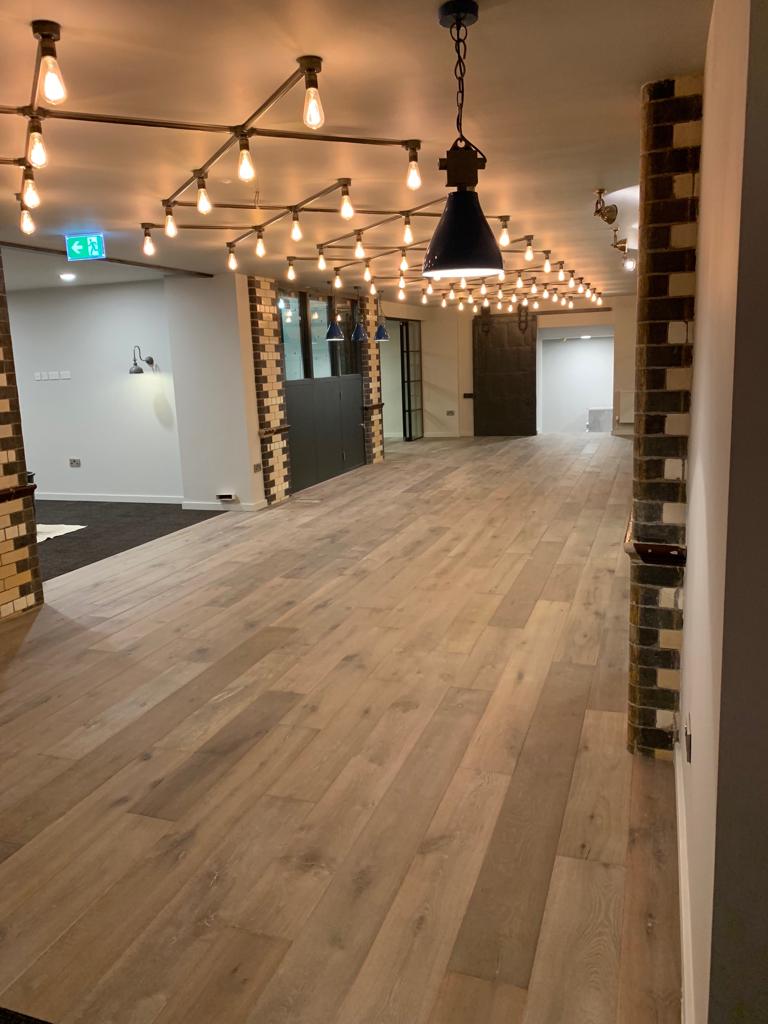
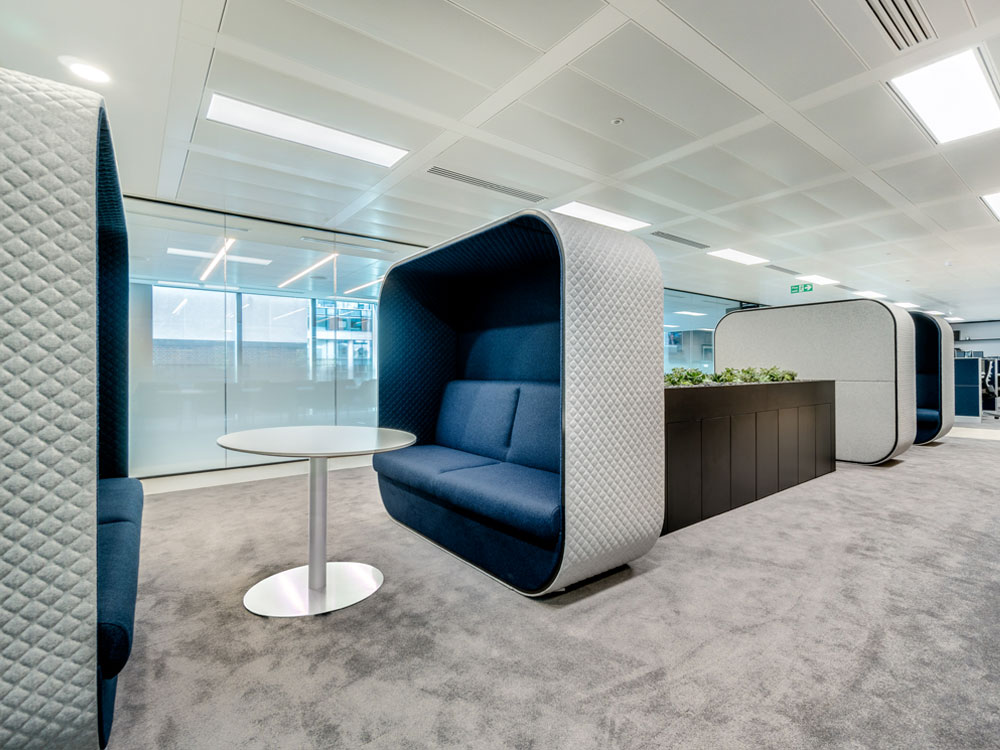
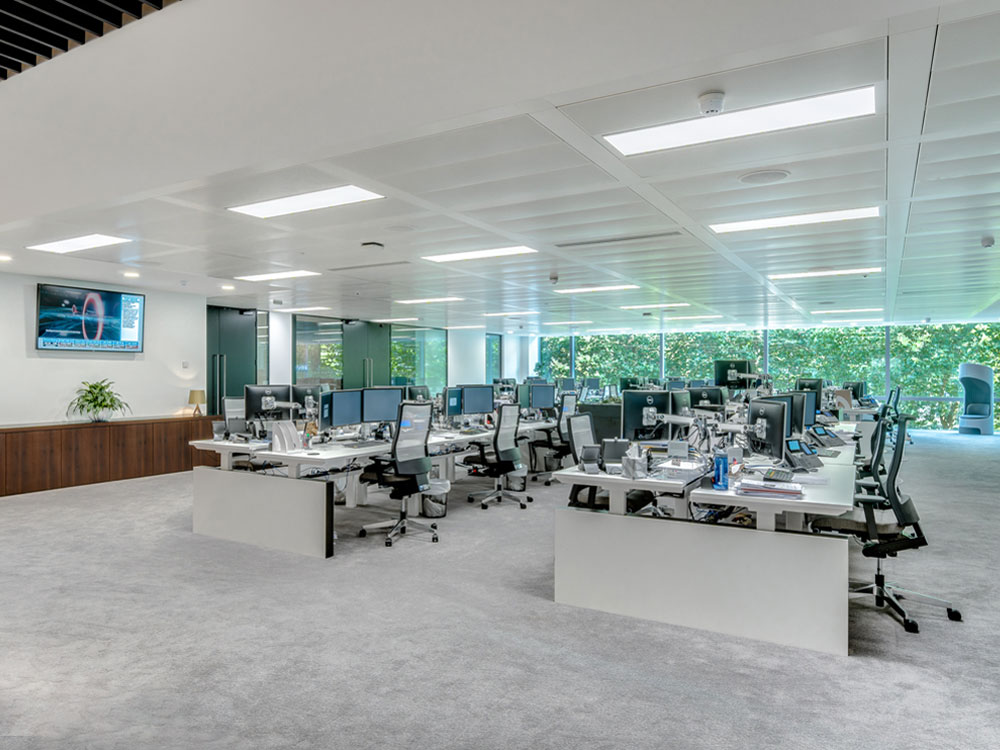
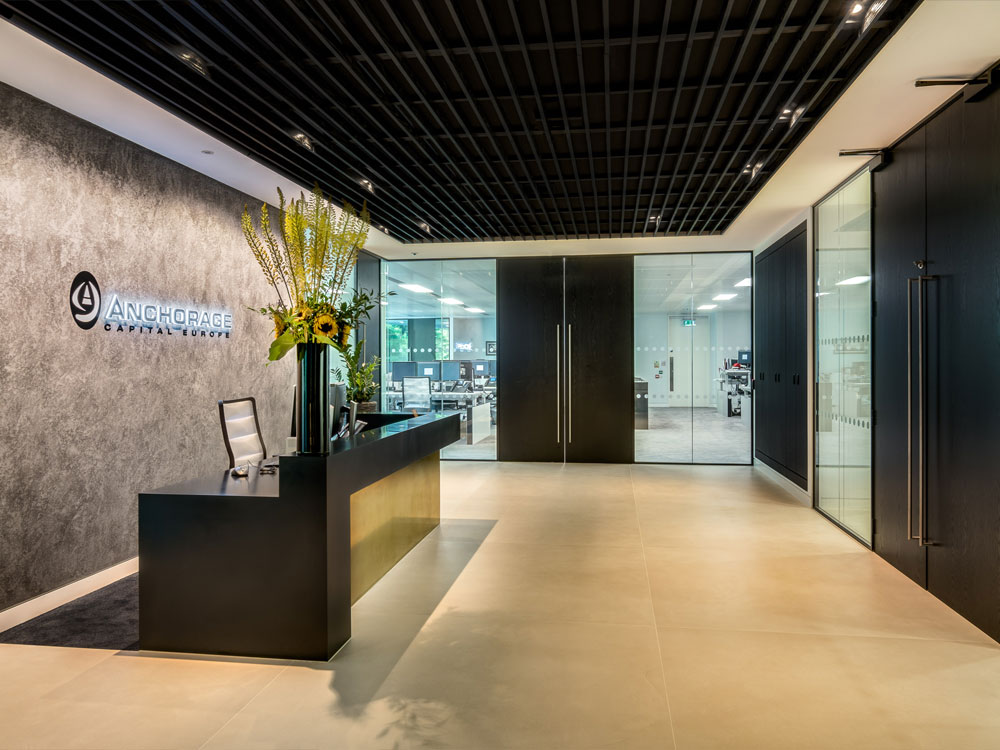
At Moth Lighting, we design and supply all types of lighting, from standard fittings to architectural and decorative solutions. Our approach ensures office interiors are functional, visually engaging, and supportive of wellbeing, with every area—especially high-traffic zones—carefully considered. Here are some key considerations:
Ambient Lighting
Carefully considered ceiling and overhead lighting creates a comfortable and balanced environment. Well-distributed ambient illumination supports overall visibility while reducing glare, enhancing focus, and contributing to a welcoming workspace.
Task Lighting
Integrated task lighting within key areas—desks, breakout zones, or collaborative spaces—allows users to adjust light levels to their needs. Adjustable fixtures improve comfort, support productivity, and make spaces more flexible for a variety of activities.
Wall & Vertical Illumination
Illuminating walls and vertical surfaces softens harsh contrasts and enhances spatial perception. Indirect or wall-mounted luminaires can create a layered, visually engaging environment while increasing the perception of brightness.
Wellbeing & Daylight Integration
User comfort and wellbeing are central to all lighting strategies. Balancing artificial lighting with natural daylight supports circadian rhythm, reduces eye strain, and improves overall experience. Smart daylight sensors and daylight harvesting systems ensure lighting responds dynamically to changing conditions, improving energy efficiency.